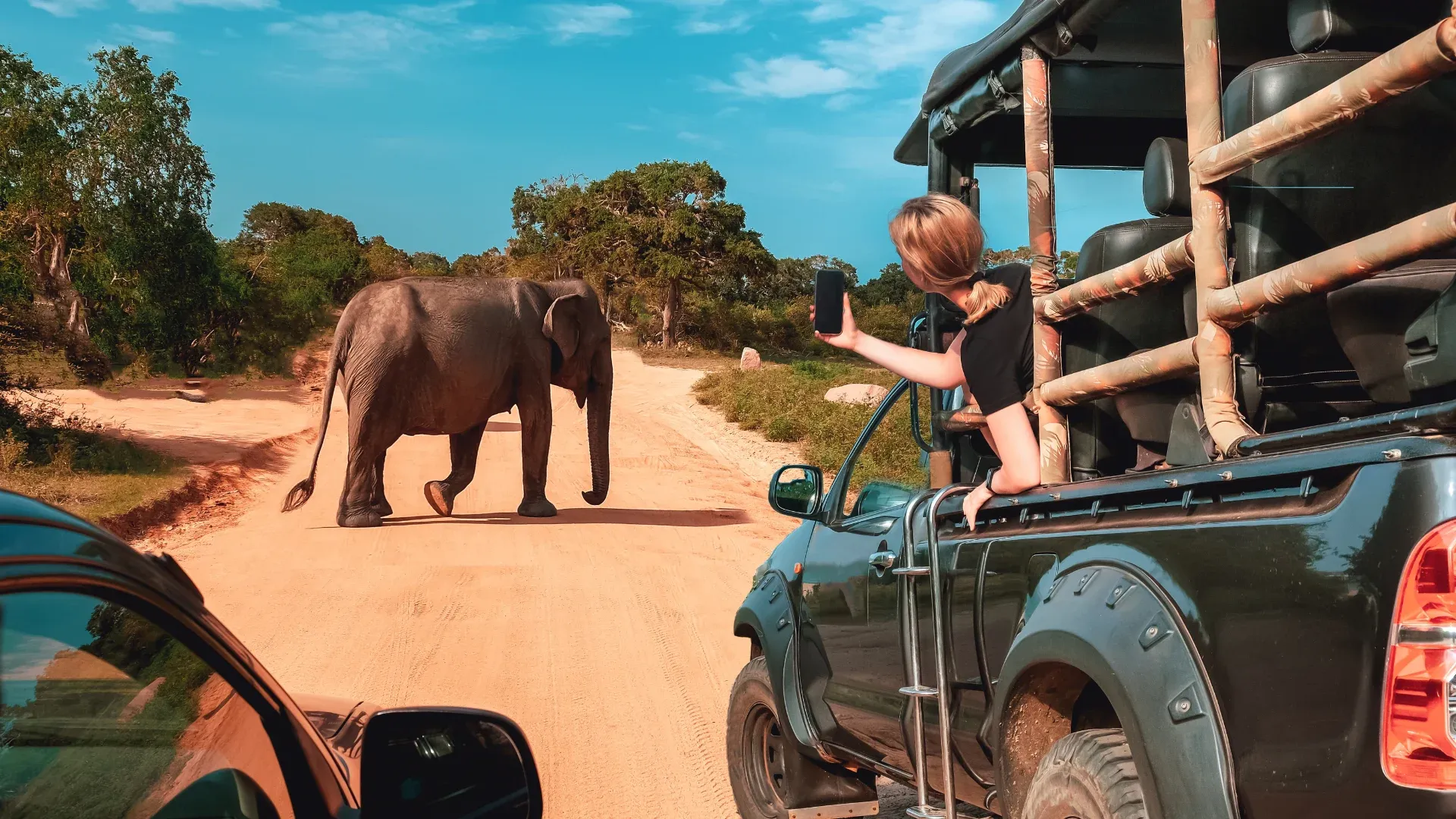
An East Africa safari is less a checklist and more a doorway to nature’s greatest shows — plan carefully, travel responsibly, and let the wild do the rest.
There’s a reason “safari” is still considered a once-in-a-lifetime experience. From the flaming-gold plains of the Serengeti to the crater rims of Ngorongoro and the river crossings of the Masai Mara, East Africa serves as wildlife theatre on an epic scale, a breadth of which you must have experienced in National Geographic documentaries. In 2026, safaris are not only about the Big Five; they’re about cultural connections with the local community, slow-travel experiences that let you absorb the surroundings and food that often tastes surprisingly familiar to Indian palates. Whether you’re chasing the Great Migration or meeting a silverback face-to-face (a rather humbling experience), an East African safari is a multi-sensory journey that keeps calling travellers back.
If you’re travelling from India, you’ll find East Africa surprisingly familiar in some ways and wildly new in others. Below is a straightforward human guide: what to expect, where to go, how to eat (yes, it is veg-friendly!), and how to make your trip mean more than just a great photo.
How safaris became East Africa’s signature trip

Safaris started as big expeditions and grew into a structured tourism industry across Kenya, Tanzania, Uganda and Rwanda. Over time lodges, guides and parks have learnt to balance seeing wildlife with protecting it – and giving local communities a stake in the business. That’s important: when tourism works well, it pays for conservation and livelihoods. When it doesn’t, animals lose space. So the choices you make as a visitor matter.
Is a safari the best thing to do here?
![2_(6)[1].webp](/_next/image?url=https%3A%2F%2Fcms-in.musafir.com%2Fuploads%2F2_6_1_ffb3a4c412.webp&w=2048&q=75)
Gone are the days of cramming into a single big jeep and ticking species off a list. These days people prefer slow safaris, smaller groups, walking safaris in safe zones, electric vehicles that whisper instead of roar, and mobile tented camps that actually move with the great migration. A safari can be quiet and reflective or dramatic and cinematic; the most important part is you choose the pace you like. And don’t forget the combo trips: beach time on Zanzibar, a city stop in Nairobi, or a gorilla trek in Rwanda makes for a richer trip than wildlife alone.
The Must-See Experiences:
![3_(4)[1].webp](/_next/image?url=https%3A%2F%2Fcms-in.musafir.com%2Fuploads%2F3_4_1_bb6219fe90.webp&w=2048&q=75)
Great Migration — Serengeti → Masai Mara: Millions of wildebeest and zebra are on the move; when the herds cross rivers, it’s pure, raw theatre. Timing moves with the rains, but July–October often brings the big Mara River crossings. If you want to see the drama up close, a mobile tented camp is unbeatable.
Ngorongoro Crater: Think of a bowl where wildlife gathers: compact, intense, and easy to cover in a single day. Beautiful scenery, lots of sightings.
Amboseli: Elephants with Kilimanjaro as a backdrop are nothing short of postcard material with a heartbeat.
Samburu & Laikipia: Drier country, different species (Grevy’s zebra, reticulated giraffe), and community conservancies where money from tourism funds local lives.
Gorilla trekking (Bwindi, Volcanoes): Not a “drive” but a reverent hike into the forest. Seeing a silverback at eye level is humbling. Rwanda’s permits tend to be pricier and tightly managed; Uganda is often chosen by travellers looking for a rugged, value-for-money trek.
How to safari:

Ways to experience wildlife:
- Classic game drive in a 4×4 (best for families and first-timers).
- Walking safari (intimate and quiet and usually led by an armed guide in safe areas).
- Hot-air balloon (dawn, champagne breakfast – unforgettable, though premium price).
- Mobile tented camp (move with the animals).
- Boat safaris (great for hippos, birdlife in river systems).
Packing list (essentials):
- Neutral, layered clothing (browns/greens) and sturdy shoes.
- Binoculars and a decent camera.
- Sun protection and a small medical kit.
- Malaria medicine if recommended for the area you’re visiting.
The practical bits: timing, cost, visas, health
1. When to go
- Dry season (June–October) is generally best for wildlife viewing.
- Migration peaks vary: Mara river crossings are often around July–October; Serengeti calving is typically January–March.
2. Rough budget sense.
- Budget group safaris: lower-cost options with shared vehicles and simple camps.
- Mid-range: comfortable lodges and guided drives included.
- Luxury: private villas, balloon safaris, and exclusive experiences. (Costs vary widely by season and style.)
3. Visas & permits Many East African countries use e-visas or ETAs. Gorilla trekking requires buying permits months ahead. Always check the official portals before you travel.
4. Health Malaria prophylaxis advice depends on which country you go to. You need to see a doctor for the vaccinations, if any. Travel insurance and basic medical supplies are musts.
A simple 9-day idea:
![6_(2)[1].webp](/_next/image?url=https%3A%2F%2Fcms-in.musafir.com%2Fuploads%2F6_2_1_572e05b686.webp&w=2048&q=75)
Day 1 – Arrive Nairobi.
Day 2 – Fly to Amboseli, afternoon drive.
Day 3 – Morning in Amboseli, return to Nairobi.
Day 4 – Fly to Masai Mara; first game drive.
Day 5–6 – Full Mara days (option: balloon at sunrise).
Day 7 – Nairobi: fly to Kigali/Entebbe.
Day 8 – Gorilla trek (Rwanda/Uganda) or relax.
Day 9 – Fly home.
This gives you wildlife variety, a cultural touch, and a chance for gorillas if you want to add them.
What Indian travellers often ask:
- Will I get vegetarian food? Yes, most lodges accommodate it.
- Do I need a visa? Usually e-visa/ETA systems apply. Get in touch with our visa expert to know details for East Africa.
- Is it family-friendly? Yes, there are family-friendly lodges and activities, though gorilla treks have age limits.
Final thought:
![5_(4)[1].webp](/_next/image?url=https%3A%2F%2Fcms-in.musafir.com%2Fuploads%2F5_4_1_13fcf7d9c8.webp&w=2048&q=75)
A safari in East Africa is rarely just a sightseeing trip. It’s a sequence of small, intense moments that add up into a story you’ll tell for years. For Indian travellers, the familiar flavours, the shared history, and the ease of vegetarian options make the experience even more inviting. Travel thoughtfully, like conservation in mind; respect local communities; and let yourself slow down. That hush before sunrise? It’s waiting.
Take advantage of our exciting International Holidays packages and Visa online services!