
Singapore serves culture on a plate — one bite, endless stories
A Taste of Culture in Every Bite
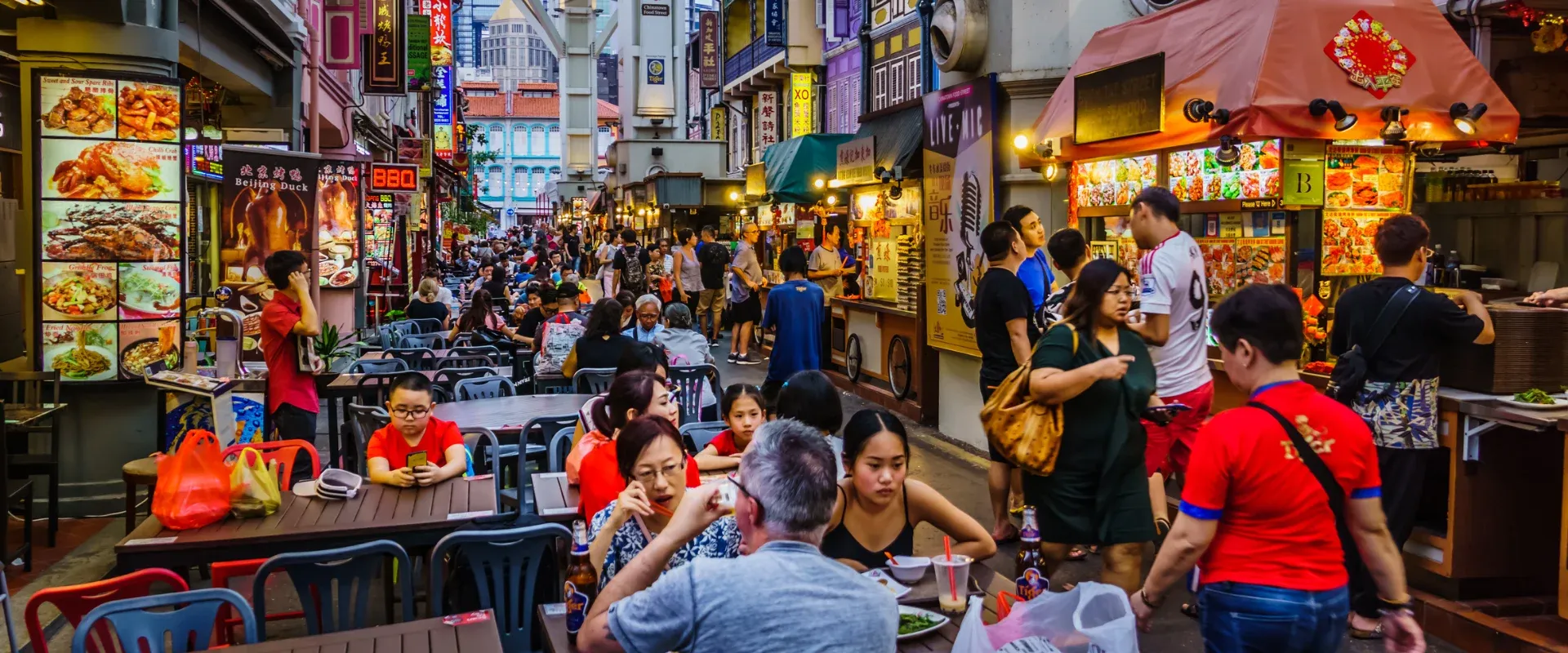
“Cuisine gives you a glimpse into culture and identity.” This cannot be more true for Singapore. A walk down the lane of local streets, with different smells and colours, and you will realise the diversity of cuisine being offered in this city-state. If you love Indian food, then you will surely love the hawker culture that promises a different blend of Asian influences. Your journey to this nation will be a discovery of different flavours, which in itself is a blessing of a multicultural society, providing a familiar, yet an exciting new cuisine. So while you are planning for this food paradise, don't forget to prepare for your Singapore visa, which is an essential step before visiting this country.
Singapore cuisine is majorly influenced by early immigrants from Southern China who added their traditional cooking methods to this cuisine. But this in no way meant that Singaporean cuisine remained static. Their cuisine blended the aromatic spices and herbs of Malay cooking, Indian spices and bold flavours, and, of course, the distinctive heritage of Peranakan food. For those applying for a Singapore visa online, a visit to the city is the true journey of the senses. For Indians who are used to the symphony of spices and diverse food, the Singapore Visa will open up a promise of an adventure which needs to be experienced once in a lifetime.
A Fusion of Flavours:
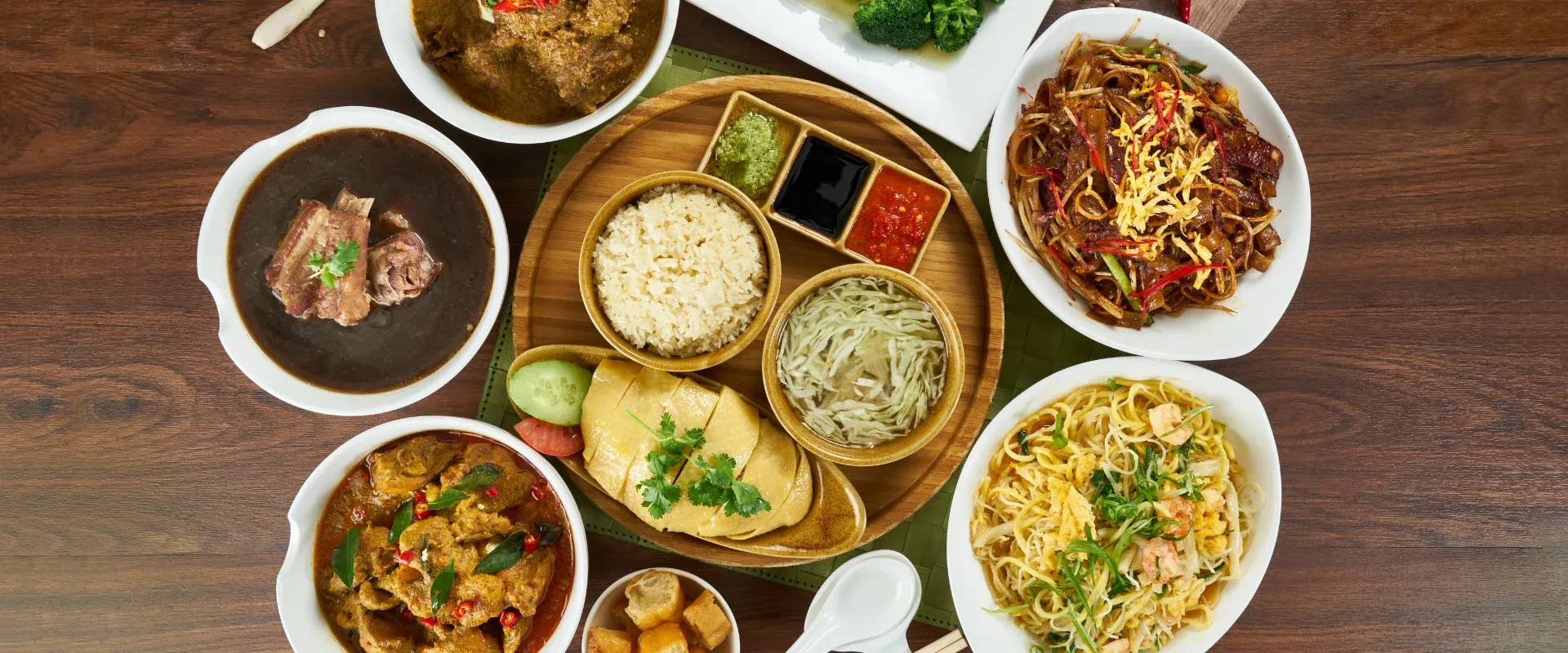
Let us explore the foundational influences that shaped Singaporean food:
Chinese Culinary Roots:
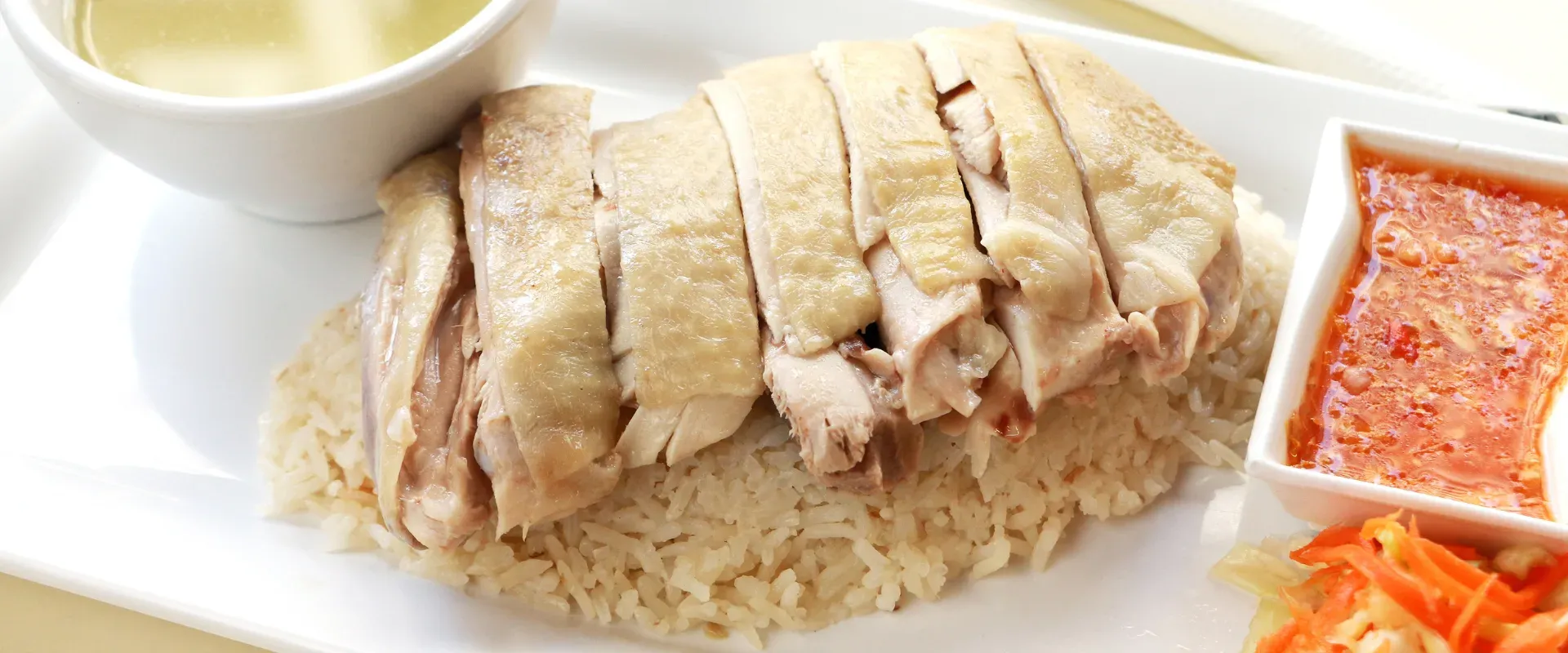
The bedrock of most Singaporean dishes is formed from Chinese influence. It comes from the recipes brought in by the Hokkien, Teochew, Cantonese, Hakka, and Hainanese people. You cannot miss the comforting simplicity of Hainanese Chicken Rice, with its fragrant rice and tenderly poached chicken. It will remind you of home-cooked Indian meals with a distinct local twist. Not to forget the yellow wheat noodles, also known as Hokkien Mee, which are stir-fried with seafood and a rich broth, giving you satisfying flavours.
Malay Aromas and Spices:
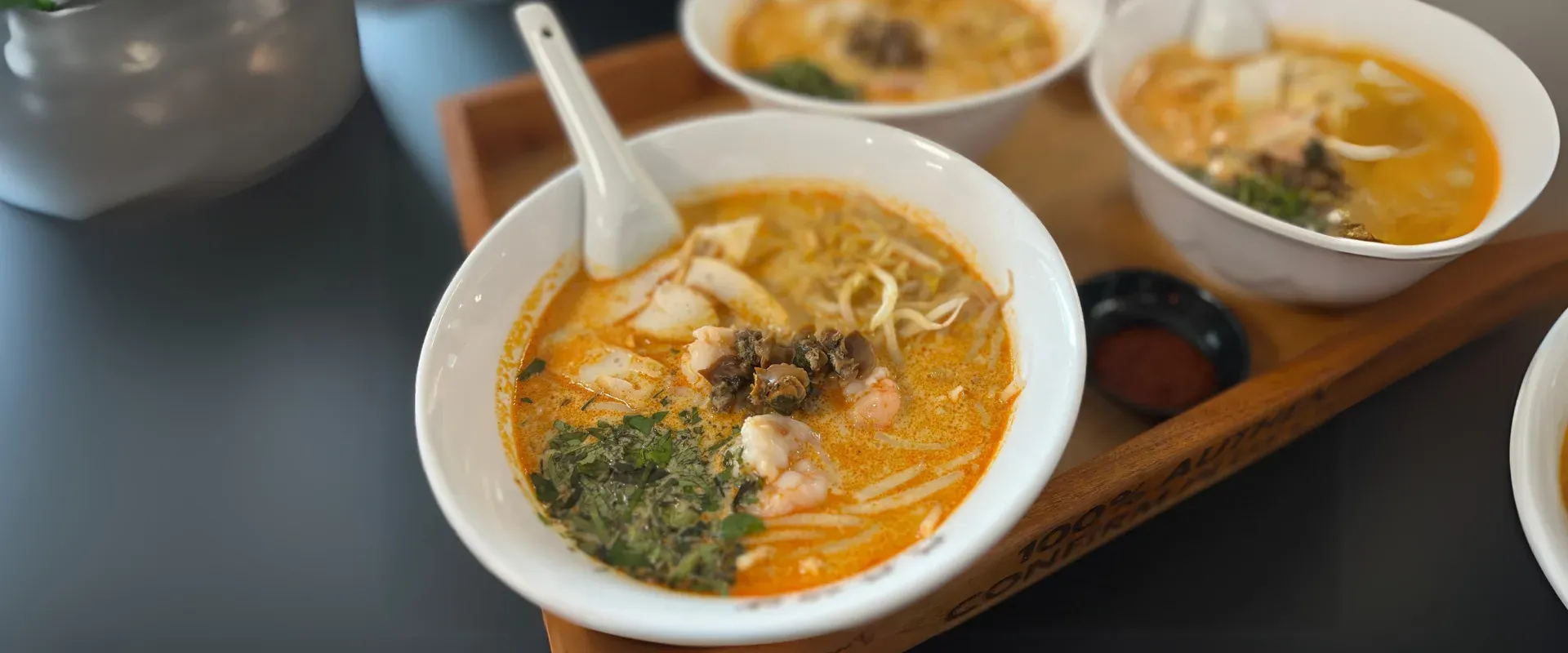
The different aromatic ingredients in the Singaporean dishes are heavily influenced by Malay cuisine. This is evidenced in Laksa, an iconic spicy noodle dish, where fragrant spices and creamy coconut are Malaysian inspired. You can also try Katong Laksa, which is an orangey-yellow spicy noodle dish with rich coconut gravy and hints of lemongrass and turmeric. This dish often feels like a distant cousin of coconut-based Indian curries. If you like rice dishes, then Nasi Lemak, often considered the national dish of Malaysia, should also be on top of your list. It has rice cooked in coconut milk and pandan leaf, which gives it an aromatic fragrance, served with different accompaniments.
Indian Influence Across the Seas:
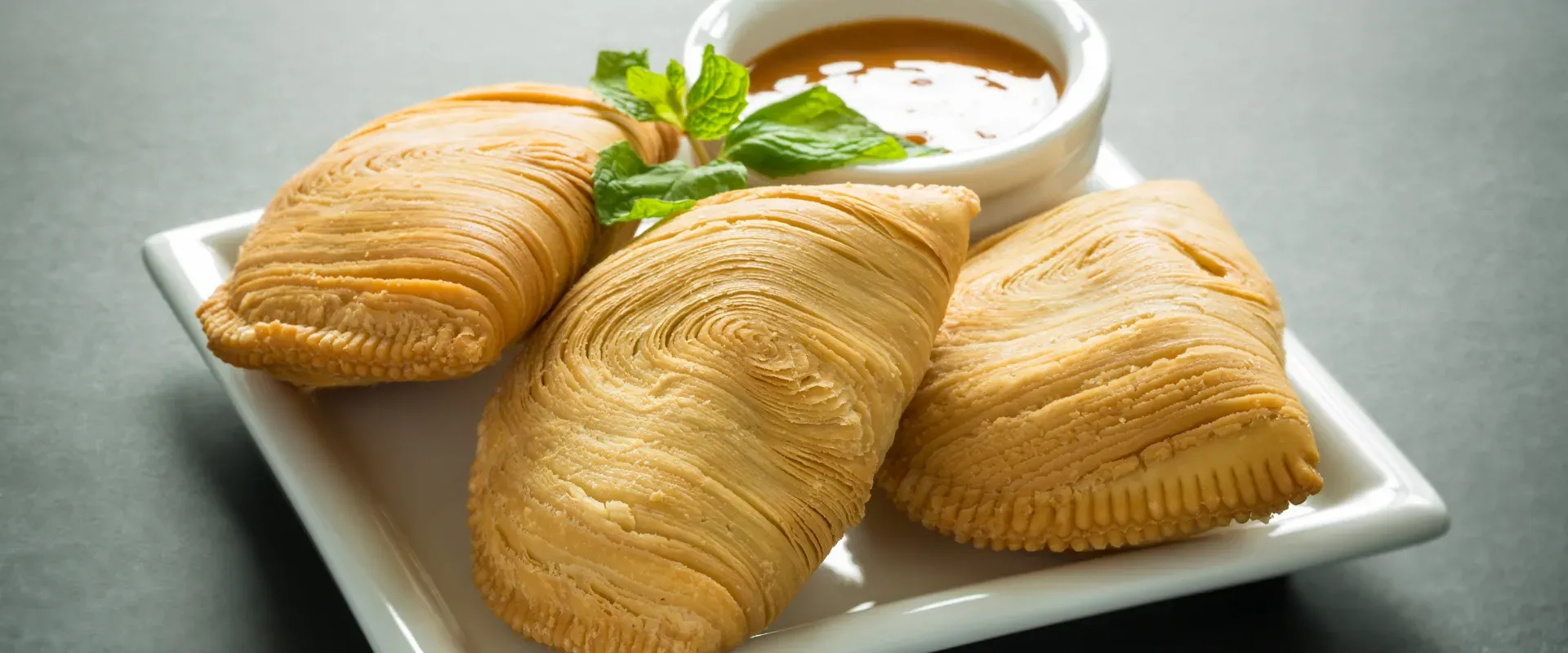
After you get your Singapore visa, the first thing that will cross your mind will be, how could Indian cuisine have left an indelible mark on this nation, which is thousands of kilometres away from any Indian city. The influence started with the Indian traders from the parts of Tamil Nadu and Kerala. It can be easily seen on the humble curry puff with crust and a filling. The crust is usually flaky, and the filling can be spiced potato or sardine, which reminds us of our local favourite “samosa”. Another iconic dish in the nation which has an Indian connection is fish head curry. This famous dish in the country was invented by a Keralan restaurateur for Chinese customers who usually prefer fish heads over other parts. So the restaurateur combined the fish head with tangy and spicy gravy for a bold and flavourful experience. Eating this dish on a banana leaf will surely remind you of back home. If this inspires you for the next trip, especially if you're looking for Veggie Delights in Singapore, then don't forget to apply for a Singapore visa for Indians to get a taste of heritage on your culinary Singapore tour here.
Peranakan & Eurasian Magic:
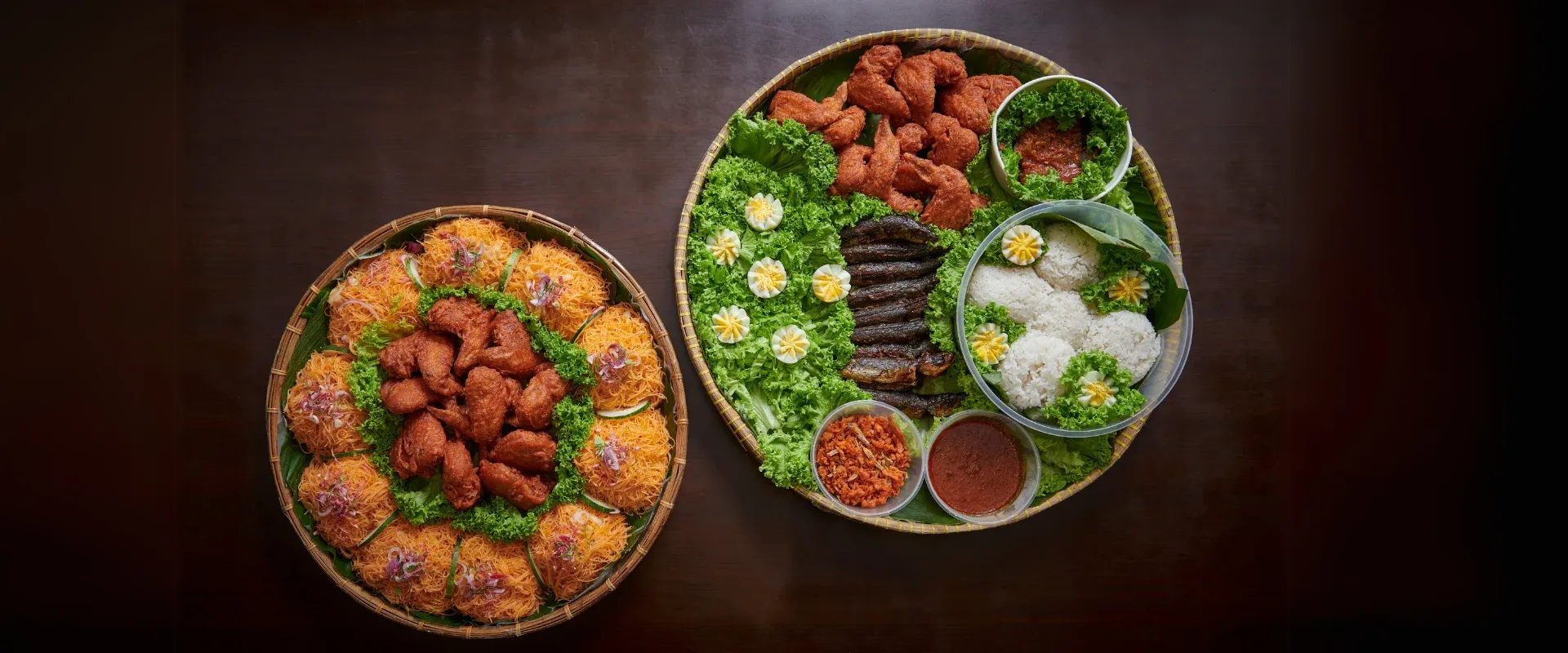
The cuisine here is further enriched by the influx of cuisines of the Eurasian and Peranakan communities. The Peranakan refers to mixed-heritage communities in the region, and this has given rise to mixed culture, traditions and cuisine. Peranakan, or Nyonya cuisine offers a fascinating fusion of flavours and variety. Take the Ayam buah keluak, a traditional Peranakan dish which is made up of spicy tamarind gravy with buah keluak nuts, served with rice. This dish shows the beautiful harmony of supposedly disparate ingredients. As far as Eurasian influence is concerned, we just need to look at Boxing Day stew. This is a flavourful spicy stew usually made on Boxing Day, reminding us of the resourcefulness of Singaporean cuisine.
The Spirit of Hawker Culture
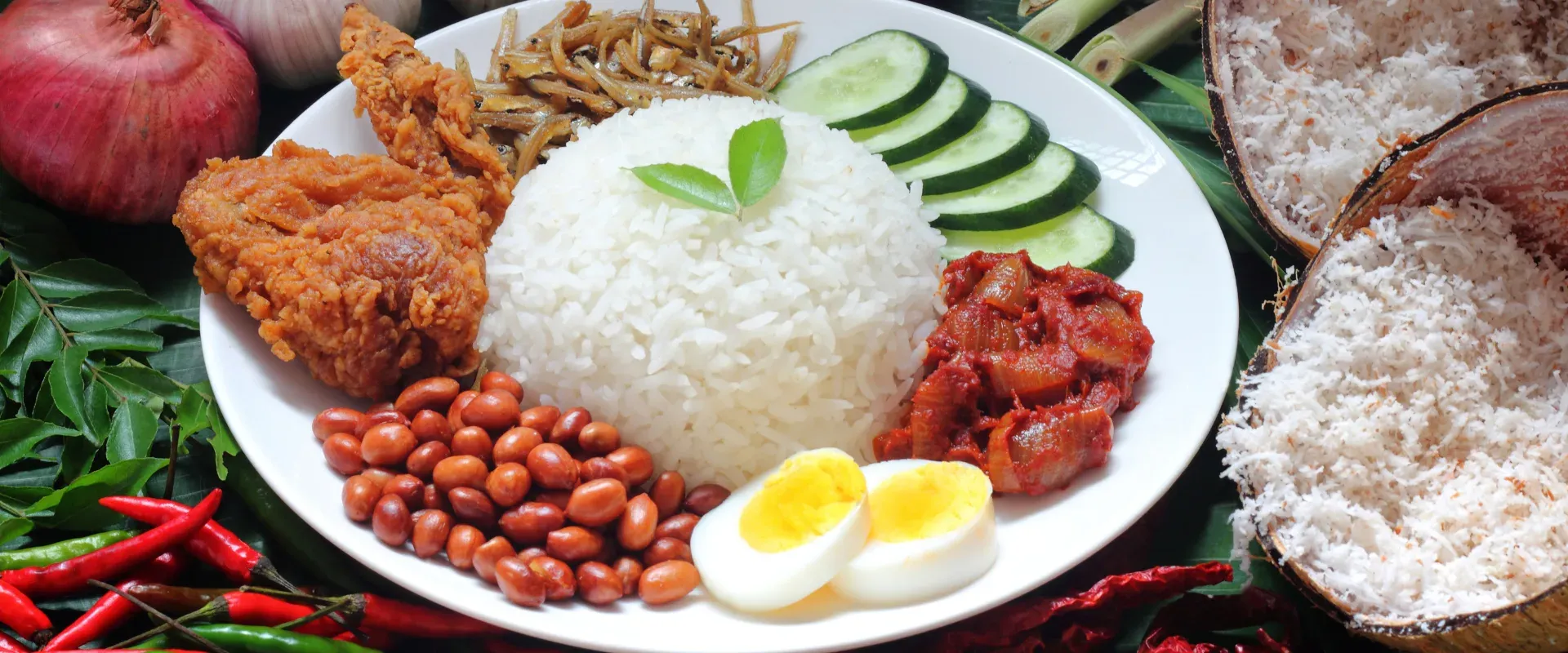
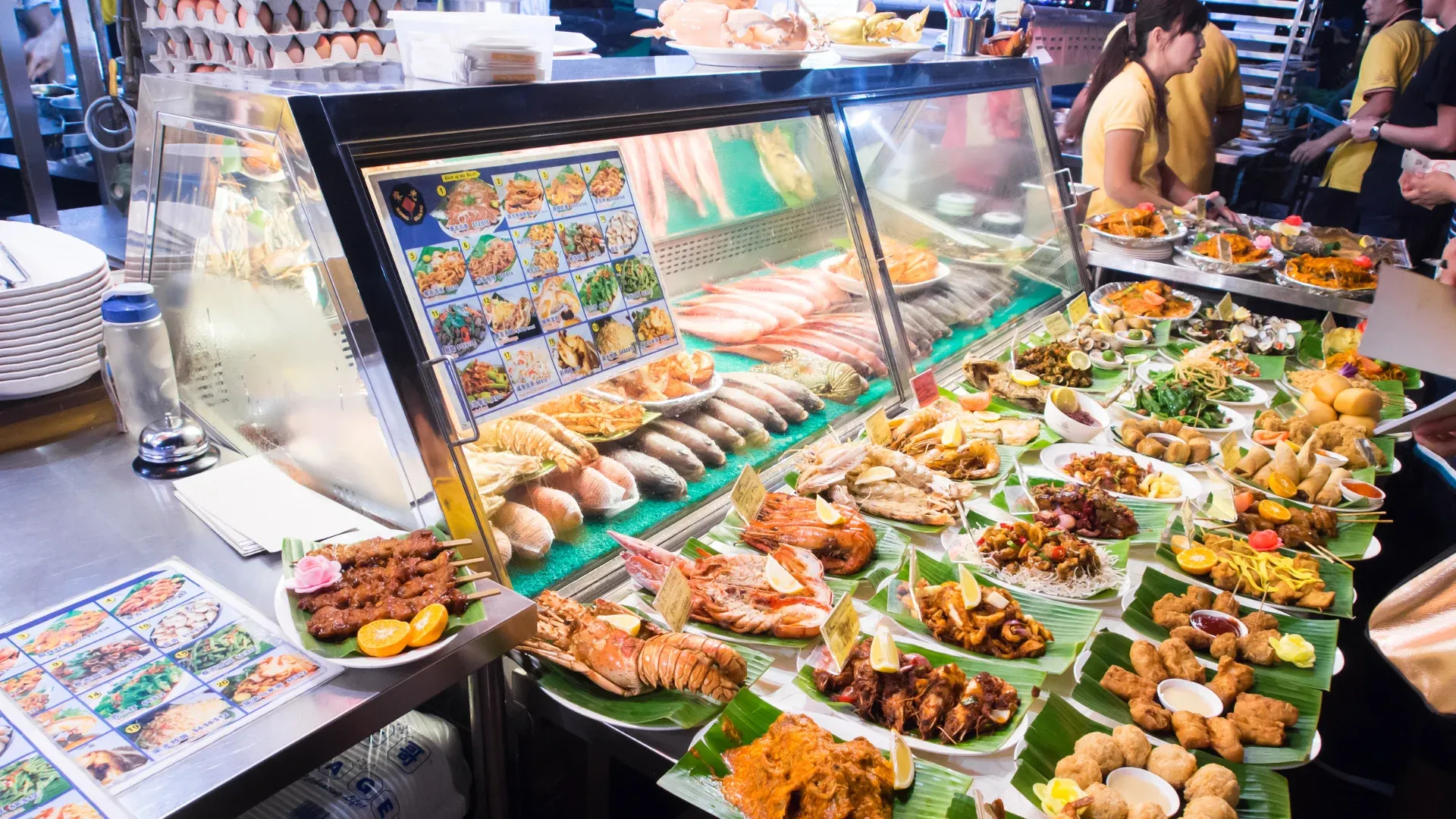
If there is one more angle to Singaporean cuisine, then it has to be its hawker culture. Hawker culture in Singapore is fairly organised. These are open-air food courts which are basically community hubs, combining various cuisines at economical rates. This is the place where multiculturalism in Singapore gives rise to variety and flavours in cuisine. This will remind the Indian traveller of the bustling street food scene back home. From the sizzling woks to nasi lemak, you will find signature dishes here which have been perfected over several generations. This hawker culture offers a prism into Singapore cuisine.
Conclusion: A Culinary Invitation
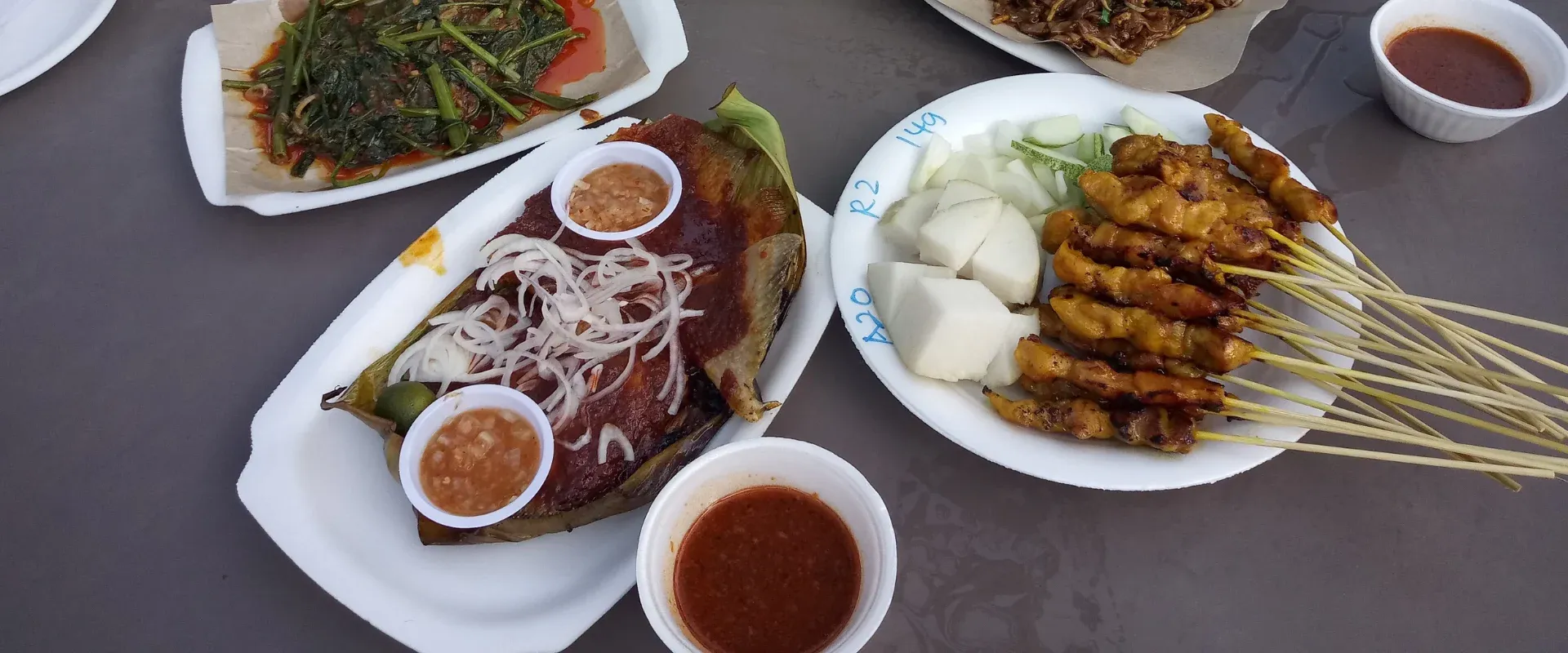
As Singapore has evolved over the decades, so has its cuisine. The newer creative chefs and cooks are experimenting with dishes to push the boundaries while retaining the traditional soul of Singaporean cuisine. From hawker’s originality in dishes to fine dining in upscale restaurants, the cuisine here is both exciting and dynamic. The culinary journey through Singaporean cuisine is not just about tasting delicious food. As with every other country in this world, it is about the power of food to connect people with its origins. It's about cultural identity and the evolution of cuisine with the history of the land. So pack your bags, get your Singapore visa, and be ready to explore flavourful adventure through the local cuisine of Singapore. If you haven't started already, apply for a Singapore visa online to visit the nation that will surely leave you with a deeper appreciation for this island nation.
Take advantage of our exciting Singapore tour packages and Singapore visa online services!