
Discover the essence of a nation in every frame, as 'A Glimpse of Jordan' unveils the timeless beauty and rich heritage of this mesmerizing land
Jordan is a stunning destination for those seeking to witness the beauty of the Middle East. Its rich culture and history, such as the world's ancient wonders, like Petra leaves visitors in awe. The country boasts some of the most stirring natural geographies like the Dead Sea and Wadi Rum. In this blog, we will explore the highlights of Jordan and why you should add it to your trip bucket list!
Amman
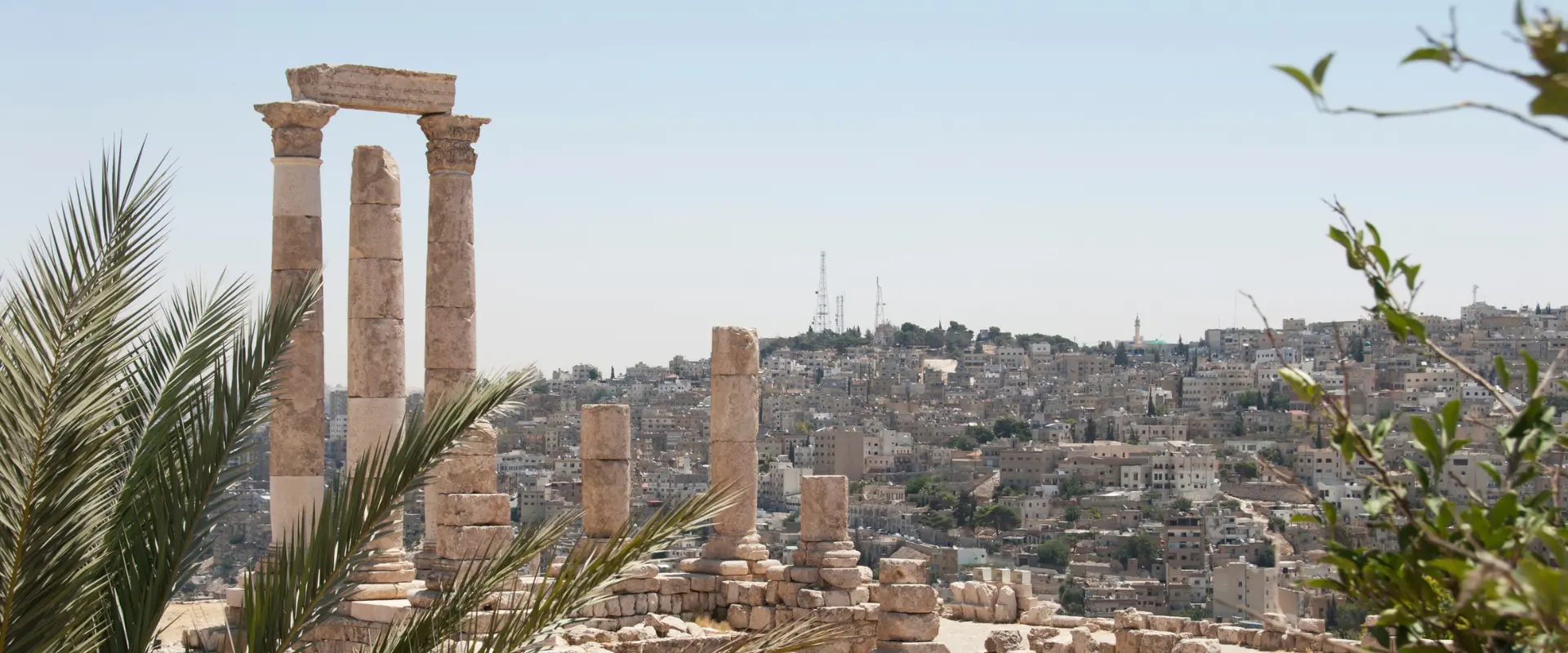
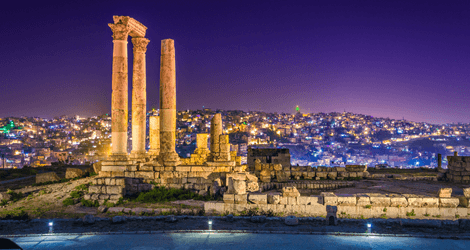
If you're looking for a lively city to explore, Amman, the capital of Jordan, is a fantastic choice. With a thriving business and art scene, luxurious hotels and restaurants, galleries, and shops, it's a great starting point for any adventure. Be sure to visit the ancient Citadel, which offers a fascinating glimpse into the rich history of Amman with its impressive Roman temple columns, Byzantine church capitals, and Umayyad Palace carvings. The Archaeological Museum is also a must-see, with captivating displays and ruins and excavations scattered throughout the city. The Roman Theatre is a beautiful bowl-shaped venue that still hosts events today and is a great spot to experience the cultural events of Amman. For those seeking adventure, take a ride on the infamous Hijaz Railway, which was sabotaged multiple times during World War I. Don't forget to immerse yourself in the markets and shops, or relax in a local coffeehouse with a game of backgammon.
Jerash
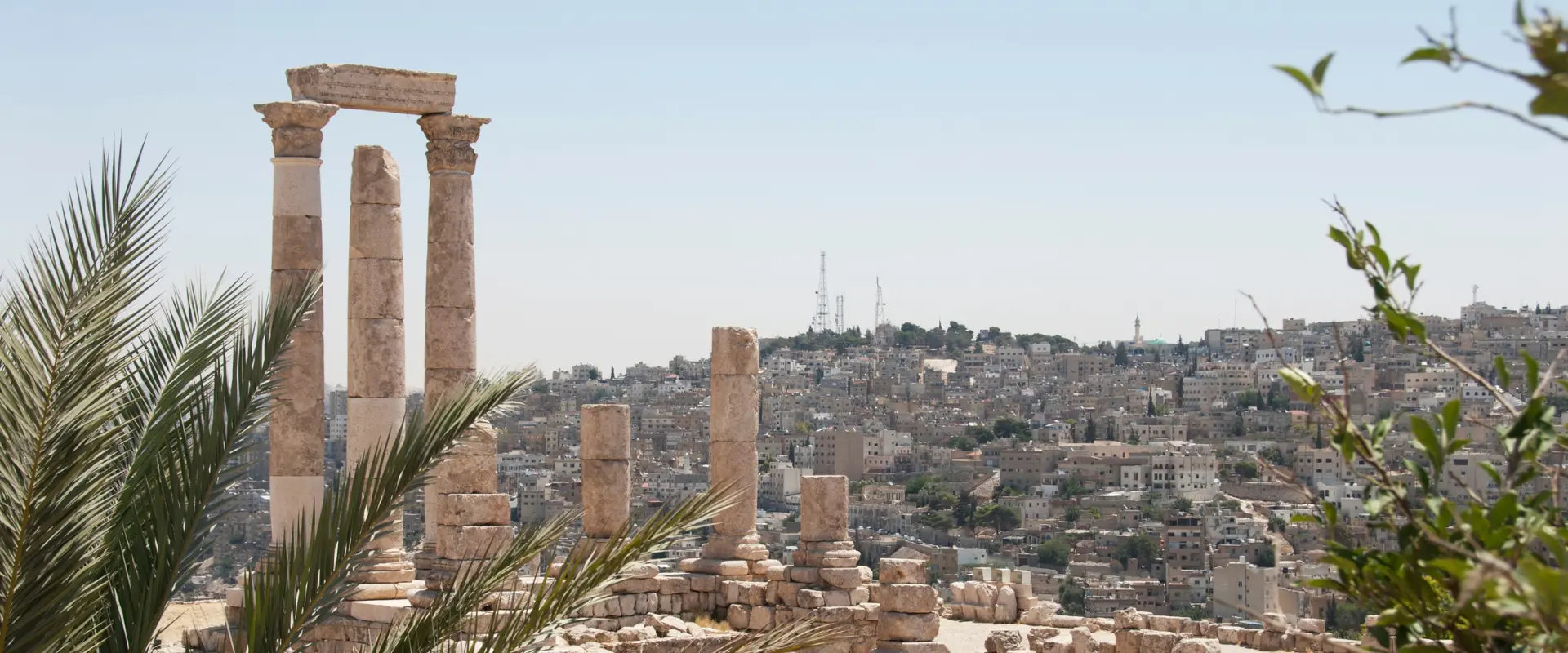
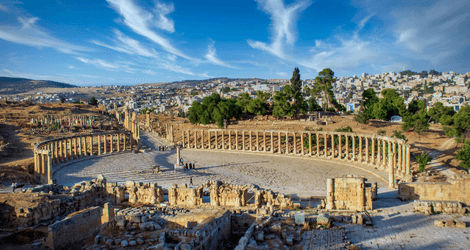
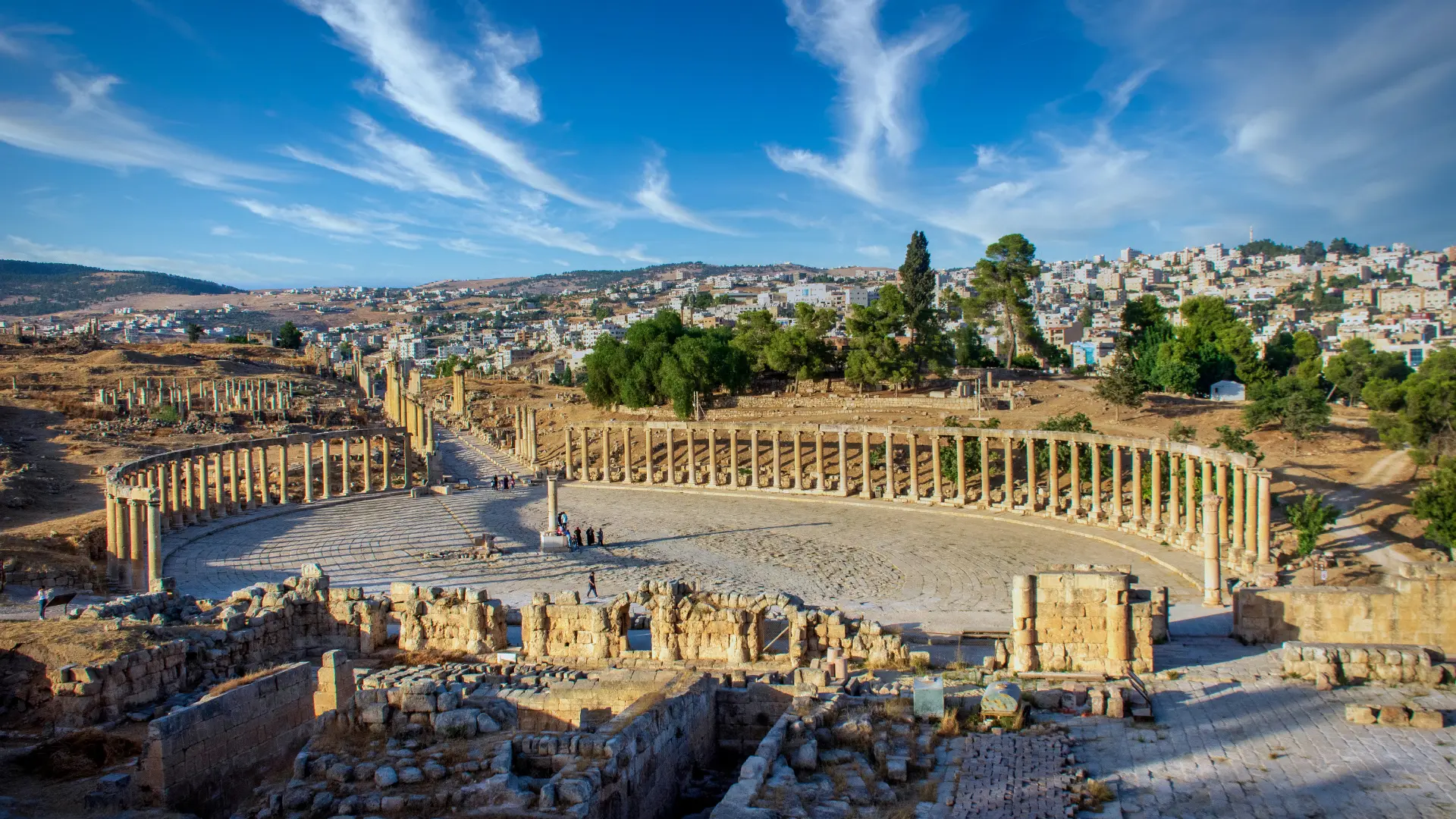
Jerash is a bustling city located in the Gilead region of northern Amman, nestled in a valley surrounded by lush greenery. The city was continually developed with theaters and temples during that time. Today, the south theater, the city's largest amphitheater, is a popular venue for global music and dance groups during the annual Jerash Festival every summer. In 330 AD, Emperor Constantine declared Christianity as the new religion of the Roman Empire's eastern half, and Jerash became part of the newly-formed Byzantine segment. As a result, many new churches were built, and some temples were converted into churches. Mosaic floors, similar to those at Madaba, were also added. The city's vast area is filled with extensive ruins, with collonaded streets still showing grooves from chariot wheels. Jerash's remarkable preservation is such that it appears as if people have recently inhabited it.
Ajloun
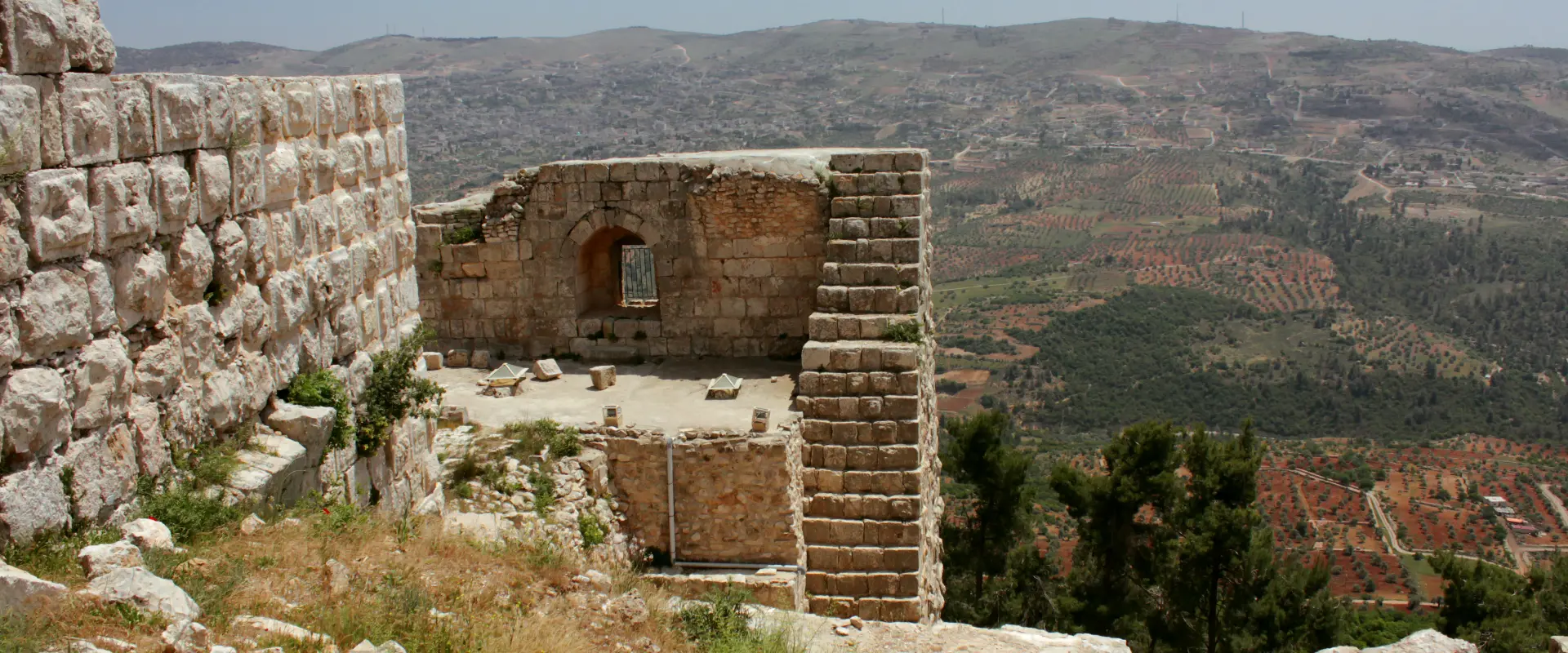
In the northern part of Jordan lies the city of Ajloun, which boasts the famous Ajlan Castle. The fortress was constructed around the 12 century. The original structure was later expanded by the Mameluks. Today, the castle is surrounded by a deep ditch that has been carved into the rock. Visitors can access the castle through an iron footbridge in place of the drawbridge.
The Dead Sea

Jordan's Dead Sea is a must-see destination for travellers seeking a natural wonder that's both beautiful and beneficial. This salt lake has long been known for its curative properties and breathtaking views. With its high salt concentration, the water is so buoyant that visitors can float effortlessly and feel weightless. Additionally, the mineral-rich mud found along the shore is believed to have therapeutic benefits for the skin. Luxurious resorts and spas offer a range of treatments and activities, from relaxing spa treatments to adventure activities that take advantage of the unique landscape. Whether you're looking to revitalize your mind, body, and soul, or simply explore a fascinating natural environment, Jordan's Dead Sea is a destination that will leave you with unforgettable memories.
Madaba
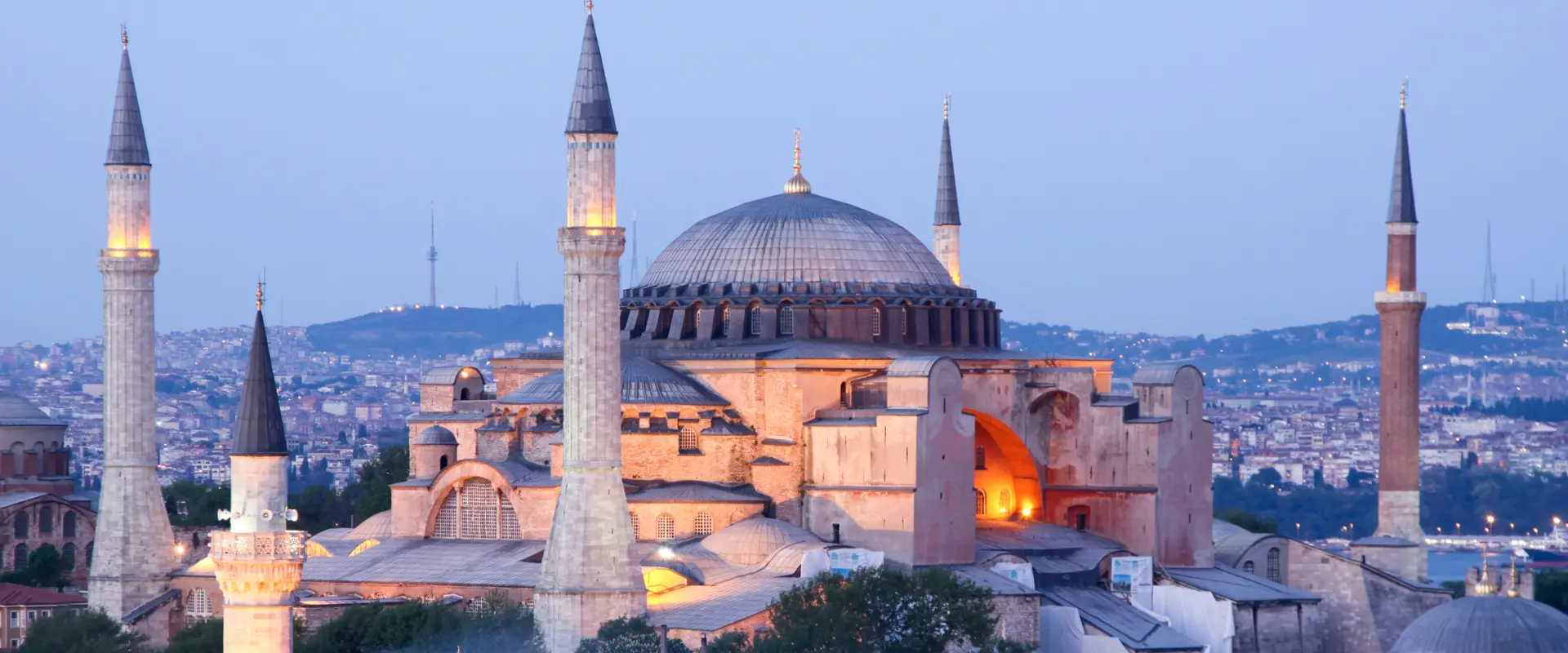
Madaba is famously called the "city of mosaics" because of its extensive archaeological site that boasts a remarkable history spanning over 4,000 years. The city's Byzantine and Umayyad mosaics are of exceptional quality and quantity, which has earned it a reputation worldwide. St. George's Church is particularly notable for its mosaic floor, which showcases a map of Palestine and the Nile Delta. The church also features a well-detailed map of Jerusalem, depicting the city during the sixth century AD. In the thirteenth century BC, the city was founded by the Moabites as part of their kingdom extending east of the Jordan River. It was also followed by many civilizations that ruled the region, and played a prominent role after it was controlled by the Byzantines, as it included a number of historical churches, which indicates that it was one of the most important centers of Christian life in Transjordan. In the vicinity of Madaba are many archaeological sites and holy places represented by Christian pilgrimage sites, such as al-Maghtas, Mount Nebo, Mukawir and Umm al-Rasas, which made it a destination for pilgrims.
Mount Nebo
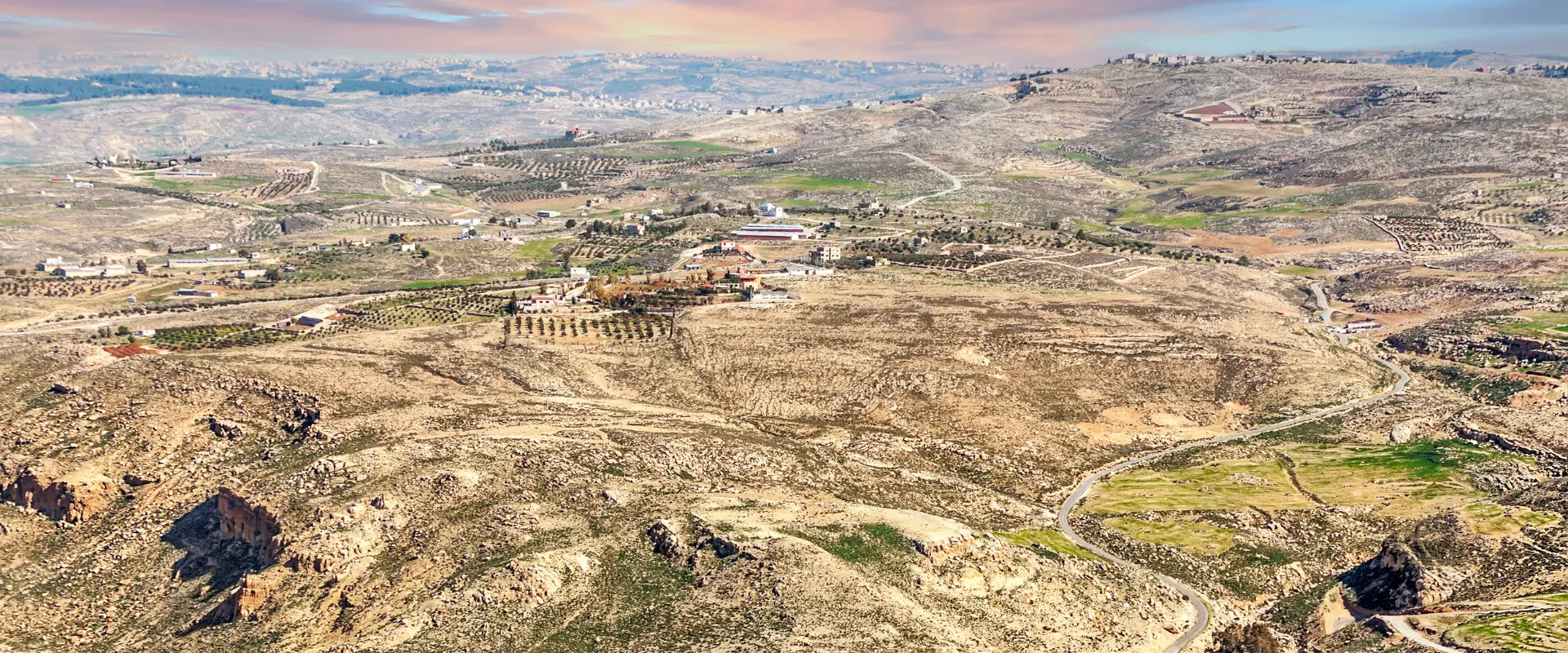
Mount Nebo is a significant location that offers a breathtaking view of the Holy Land that Moses was unable to enter. The & Church of Moses was built here by the first Christians, making it a holy place and a popular pilgrimage destination since ancient times. You can enjoy the stunning view of Jordan, the Dead Sea, and on a clear day, you may even see Jerusalem, which is 60 kilometres away, just like Moses. To have the best chance of enjoying the awe- inspiring scenery, it is ideal to visit early in the morning or late in the evening.
The Bible mentions that when the Israelites departed from Almon-diblathaim, they camped in the Abarim Mountains towards Nebo, and that the people of Reuben were the ones who built the city. In the ninth century BC, King Mesha seized the city of Nebo, destroyed its inhabitants, and destroyed its altar, and the city became a Moabite. Ancient ruins from the fifth century were found in the city, including churches, residences, tombs and contemporary ones, which prove that it was a prosperous Christian city after the end of the era of persecution.
Kerak
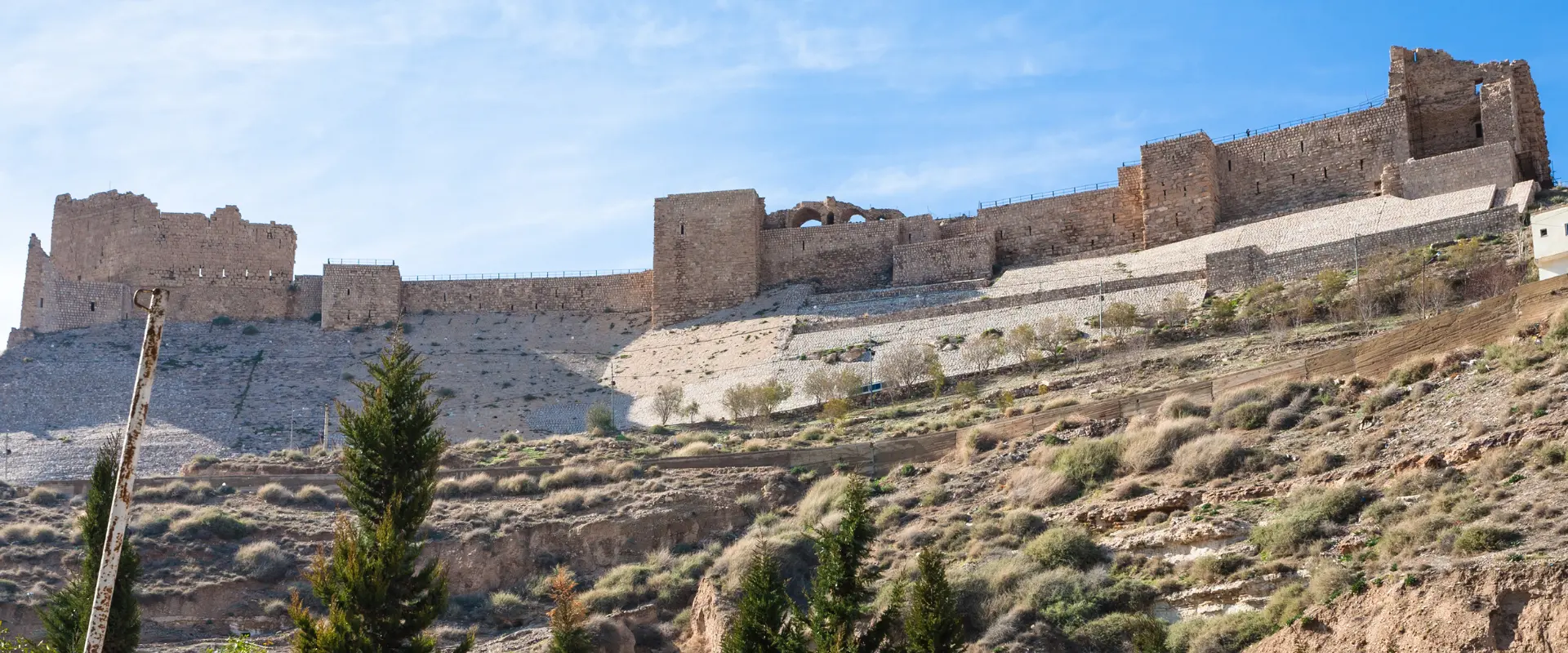
Kerak, located 130 kilometres south of Amman, was chosen by the Crusaders due to its strategic location for their stronghold. The castle, constructed in 1142, was rebuilt and expanded after Salah-Eddin seized it in 1189. Kerak sits atop a hill 1,000 meters above sea level and is surrounded on three sides by a valley. You can still see the living quarters, storage rooms, courts, stairs, and turrets, providing an insight into the stronghold's might. Although the castle was never inhabited by a court, the various facilities are still easily recognizable.
Petra
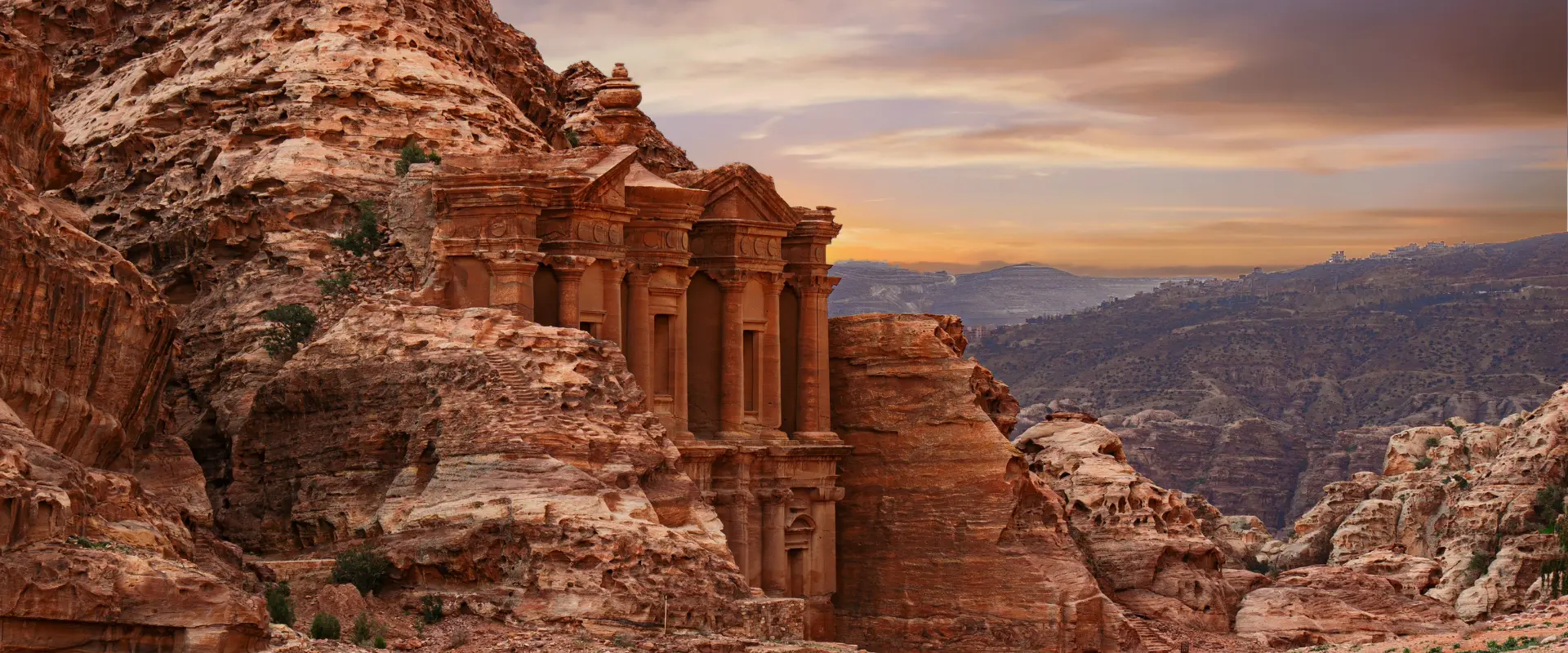
Petra, also known as the red rose city half as old as time, is a World Heritage Site that boasts over 800 monuments. The Nabetean Arabs constructed Petra, in an almost inaccessible rocky area, from 800 BC to 100 AD. After the Romans took control in the first and second centuries, the city reached the height of its glory. The city lost its significance as shipping gradually replaced caravan routes, and it fell into disuse until Johann Ludwig Burckhardt rediscovered it in 1812.
Wadi Rum
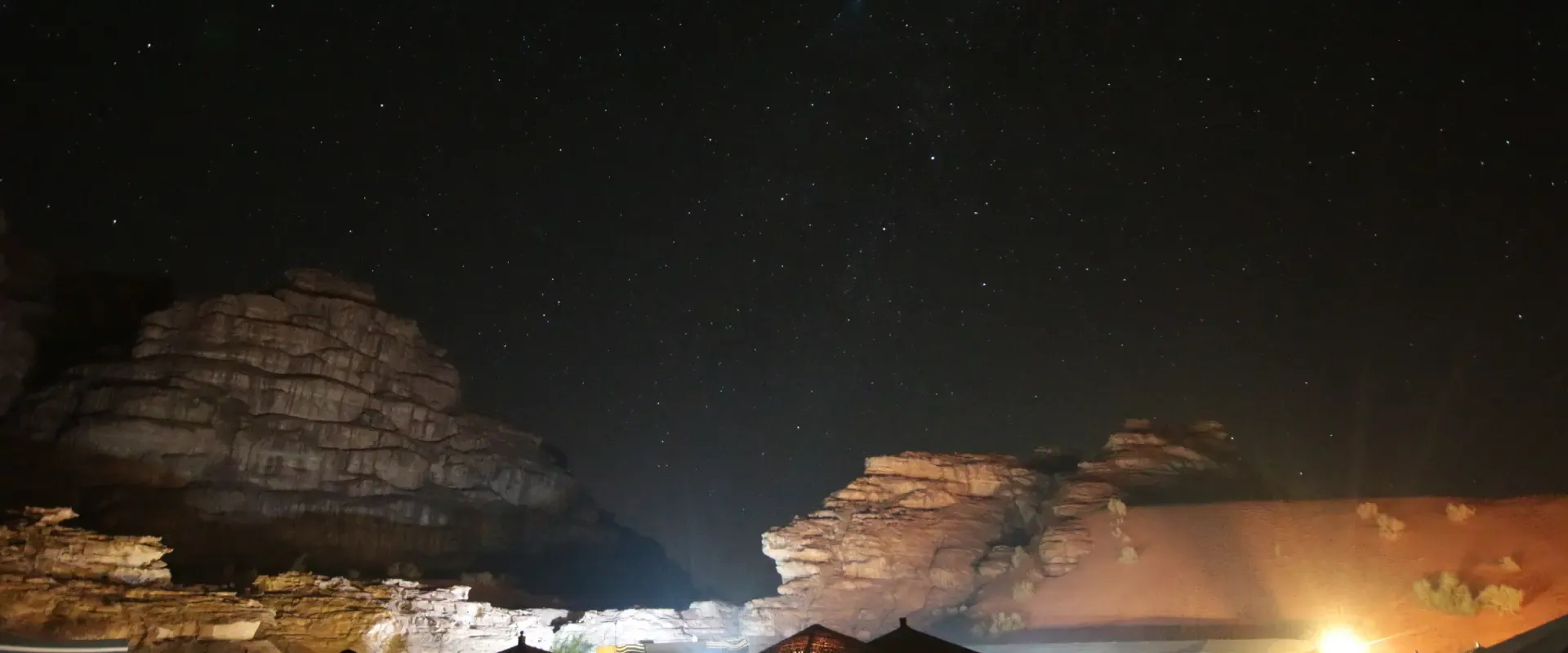
Wadi Rum's enormous, colourful, and stunning shapes create an almost supernatural atmosphere. The Seven Pillars of Wisdom, Lawrence's book, was named after the seven natural columns of varying heights on the way to Wadi Rum. You can explore the desert with a 4x4 driven by a local Bedouin or spend the night in an authentic Bedouin tent in the middle of the desert.
Aqaba
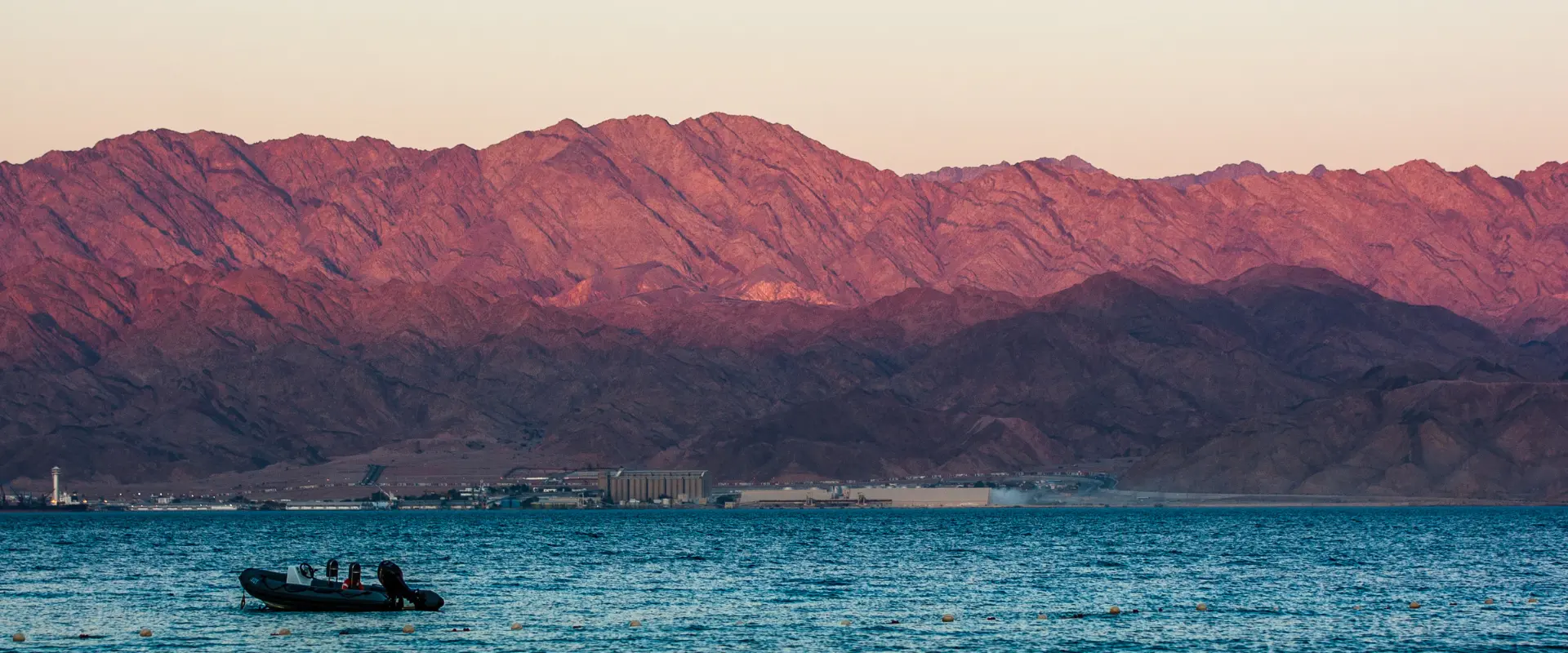
Aqaba is the modern port of Jordan, built on the ruins of several ancient sites. Extensive excavations have been carried out on the seafront after the discovery of Tell Maquss, a Chalcolithic site, to uncover the remains of Ayla, believed to be the biblical port of Salomon. Aqaba has a long history and boasts crystal-clear and warm waters that remain all year round, with the most spectacular coral reef in the Red Sea.
During the Roman era, and specifically since the second half of the third generation, Ayla became an episcopal seat and a major center, and its bishops participated in many ecclesiastical councils, and this is evidence of the existence of an ancient Christian community in the city of Ayla. Experts from the University of North Carolina recently found a church believed to be the oldest in the world. It is built of mud bricks on rock foundations. They suggested that the church was built in the late third or early fourth century AD. A tomb was found adjacent to the church dating back to the same era as the church.
In conclusion, Jordan is a beautiful country with a rich history and plenty of amazing places to visit. From the ancient city of Petra to the stunning desert landscapes of Wadi Rum, there is something for everyone in this amazing destination. Whether you're interested in history, culture, or just relaxing on the beach, Jordan has it all. So if you're looking for a unique and unforgettable travel experience, be sure to explore our Jordan tour packages.
More on Jordan:
Take advantage of our exciting Jordan tour packages and Jordan visa online services!